
Annual inspections are one of the most effective ways commercial property owners can protect their investments, maintain safe environments, and avoid costly disruptions. While many building issues develop slowly, they often reveal themselves only after damage has already occurred. A structured yearly inspection allows owners and facility managers to catch small problems early, plan repairs strategically, and maintain compliance with local regulations.
Rather than reacting to emergencies, annual evaluations create predictability. They also support budgeting, tenant satisfaction, and long-term asset value. When inspections are approached methodically, they help ensure that every major system is functioning as intended and that potential failures are addressed before they escalate.
Evaluate Heating and Cooling Performance Before Problems Escalate
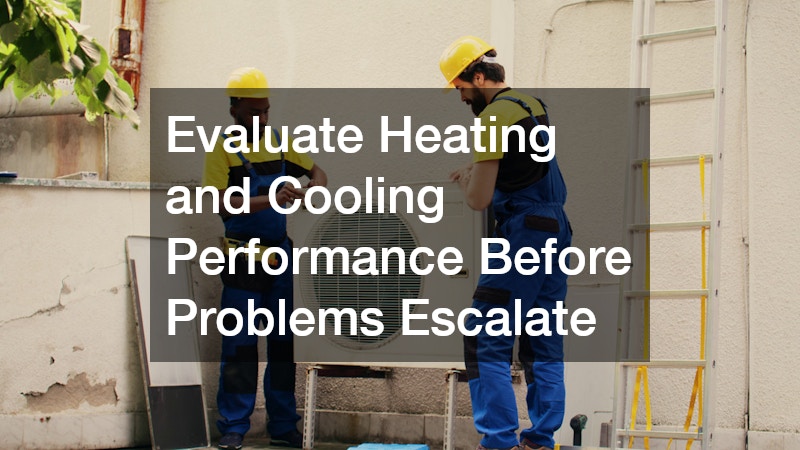
Heating and cooling systems should be reviewed annually to ensure they are operating efficiently and delivering consistent comfort throughout the building. A full assessment of commercial HVAC performance helps identify airflow restrictions, aging components, and calibration issues that can drive up energy costs and create uncomfortable interior conditions.
Beyond basic operation, annual evaluations should focus on how the system responds to real-world demand. Uneven temperatures, excessive noise, or frequent cycling often indicate deeper inefficiencies that may not be obvious during daily use. Addressing these concerns early can significantly extend equipment life and prevent mid-season failures.
Key inspection actions include:
-
Reviewing filter condition and replacement schedules
-
Testing thermostats and zoning controls
-
Checking belts, motors, and coils for wear
-
Confirming refrigerant levels and pressure readings
Documenting inspection results year over year also helps track performance trends and justify future upgrades.
Inspect Roofing and Drainage to Prevent Structural Damage
Roofing systems are constantly exposed to sun, wind, rain, snow, and temperature fluctuations, making them especially vulnerable to gradual wear and deterioration over time. Annual inspections conducted with the support of commercial roofers are essential for identifying issues that may not be visible from the ground, such as membrane damage, compromised flashing, loose fasteners, or early signs of leaks. These professionals can assess the overall condition of the roof, pinpoint areas of concern, and recommend targeted repairs before small problems escalate. Early detection is critical, as undetected roof damage can affect insulation, interior finishes, and even structural components of the building.
Timing roof inspections strategically is equally important, particularly after periods of heavy rain, snow, or high winds that can accelerate damage. Even minor issues, such as punctures, seam separation, or displaced flashing, can allow moisture to infiltrate the roofing system and spread far beyond the original entry point. Prompt repairs help reduce the risk of mold growth, wood rot, and long-term structural degradation. Drainage also plays a vital role in roof performance, so coordinating inspections with gutter companies ensures that water is properly directed away from the roof and foundation. Clear, functional drainage systems prevent pooling, reduce erosion, and extend the lifespan of the entire building envelope.
Drainage-related inspection steps include:
-
Removing debris from gutters and downspouts
-
Checking for sagging or separation
-
Ensuring proper slope and discharge direction
-
Inspecting overflow points and scuppers
Together, roofing and drainage inspections form a frontline defense against long-term water damage.
Check Electrical Systems for Safety, Capacity, and Code Compliance
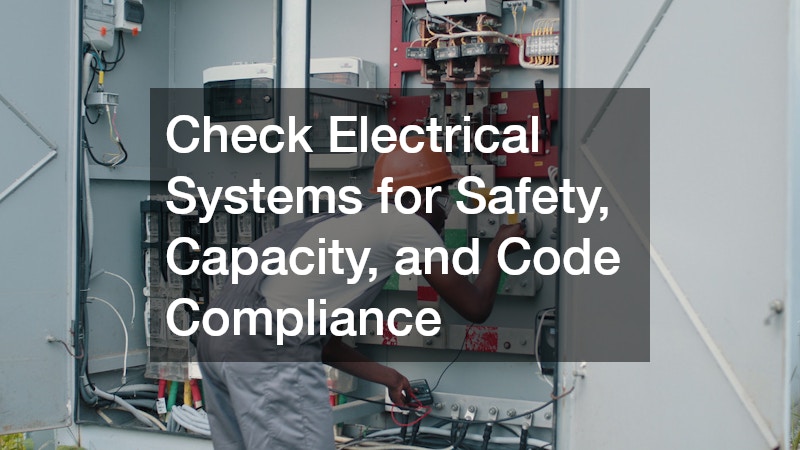
Electrical systems should be inspected annually to confirm they can safely support current building demands. Working with commercial electric contractors allows property owners to identify overloaded circuits, outdated panels, and wiring issues that could pose fire or operational risks.
As tenant needs evolve, electrical usage often increases. Equipment additions, expanded office layouts, and upgraded lighting can push systems beyond their original capacity. Annual reviews help ensure the infrastructure keeps pace with these changes while remaining compliant with safety standards.
Electrical inspections should include:
-
Reviewing breaker panels for labeling accuracy
-
Testing ground fault and arc fault protection
-
Inspecting exposed wiring and conduit
-
Confirming emergency power systems function correctly
Addressing electrical issues proactively reduces liability and improves overall building reliability.
Assess Plumbing Systems to Avoid Disruptions and Water Loss
Plumbing systems are frequently overlooked until a failure disrupts operations or causes visible damage, but annual inspections play a critical role in preventing costly repairs and unexpected service interruptions. A comprehensive inspection performed by a plumbing company focuses on identifying early warning signs such as slow leaks, pipe corrosion, worn seals, and pressure irregularities. These evaluations help uncover issues that may not yet be causing noticeable problems but could escalate quickly if left unaddressed. Proactive inspections allow building owners to schedule repairs strategically, avoid emergency service calls, and maintain consistent water flow throughout the property.
Even seemingly minor leaks can waste large volumes of water over time and contribute to hidden damage within walls, ceilings, or flooring systems. Annual plumbing inspections should include a detailed assessment of both visible and accessible components, such as supply lines, drains, shut-off valves, and fixtures. Special attention should be given to areas where pipes pass through walls or floors, as these locations are particularly vulnerable to wear and undetected moisture buildup. Identifying and repairing small issues early helps protect structural integrity, reduce water costs, and extend the lifespan of the plumbing system.
Important plumbing inspection tasks include:
-
Checking fixtures for slow leaks or inconsistent flow
-
Testing water pressure levels
-
Inspecting exposed piping for corrosion
-
Verifying shutoff valves operate smoothly
Regular plumbing assessments help maintain water efficiency while protecting interior spaces from unexpected damage.
Monitor Water Intrusion Risks and Past Damage Areas
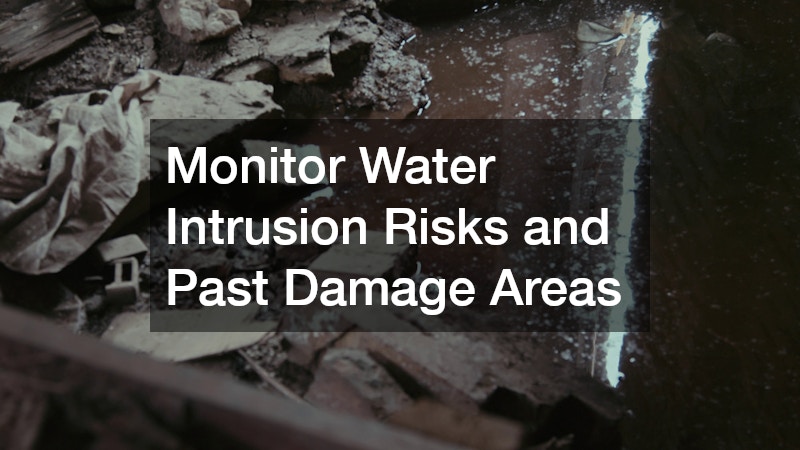
Water intrusion can originate from multiple sources, including roofing failures, plumbing leaks, foundation cracks, and improperly sealed windows or doors. Annual inspections should prioritize areas with a known history of moisture problems, as repeat exposure increases the risk of long-term damage. When prior incidents have occurred, working with a commercial property water remediation company can provide valuable insight into vulnerable areas and help assess whether previous repairs remain effective. These professionals can identify lingering moisture concerns, recommend preventative measures, and ensure that corrective actions align with current building conditions.
Moisture issues often develop slowly and out of sight, spreading behind walls, beneath flooring, or within insulation before visible signs appear. If left unchecked, this hidden moisture can lead to mold growth, compromised structural materials, and declining indoor air quality. Annual evaluations should combine visual inspections with moisture detection methods, such as thermal imaging or moisture meters, to uncover problems early. Proactive monitoring allows property managers to address issues before they escalate, reducing health risks, repair costs, and disruptions to building operations.
Water intrusion monitoring should focus on:
-
Mechanical rooms and basements
-
Exterior wall penetrations
-
Areas near windows and doors
-
Locations of previous repairs
Documenting findings helps ensure that recurring issues are addressed comprehensively rather than repeatedly patched.
Review Flooring Conditions for Safety and Durability
Flooring systems endure constant wear and tear, particularly in high-traffic commercial environments such as warehouses, retail spaces, and manufacturing facilities. Annual inspections help identify early signs of surface degradation, including cracks, uneven wear, or loss of finish, that could compromise both safety and visual appeal. Evaluating areas treated with commercial epoxy floor coating is especially important, as the condition of the surface directly impacts slip resistance, chemical protection, and long-term durability. Regular assessments allow property managers to determine whether the flooring continues to meet performance standards or if targeted repairs are needed.
Small issues such as hairline cracks, bubbling, or peeling coatings can worsen rapidly under heavy equipment, foot traffic, or exposure to moisture and chemicals. Conducting annual flooring evaluations enables building owners to plan resurfacing or repairs during scheduled maintenance windows, reducing downtime and avoiding disruptions to daily operations. Proactive maintenance not only extends the lifespan of the flooring system but also helps maintain compliance with safety standards, protects the underlying substrate, and preserves a clean, professional appearance throughout the facility.
Flooring inspection considerations include:
-
Checking for surface cracks or delamination
-
Evaluating traction in wet or transitional areas
-
Inspecting expansion joints
-
Reviewing wear patterns in high-use zones
Maintaining floor conditions protects both occupants and the long-term performance of the building.
Evaluate Interior Cleanliness and Indoor Air Quality Contributors
Interior cleanliness has a direct impact on occupant health, comfort, and the overall appearance of a building. Annual deep evaluations conducted with commercial carpet cleaning companies help remove embedded dirt, allergens, and contaminants that regular surface cleaning cannot reach. Over time, debris becomes trapped deep within carpet fibers, contributing to odors, discoloration, and premature wear. Professional deep cleaning not only improves visual appeal but also extends the life of interior finishes, reducing the need for early replacement and supporting a healthier indoor environment for employees, tenants, and visitors.
Carpets and other soft surfaces can easily trap moisture, dust, and airborne pollutants, which may negatively affect indoor air quality if left untreated. Even in facilities with consistent janitorial services, periodic deep cleaning is essential to address buildup that accumulates below the surface. Annual evaluations allow building managers to identify high-traffic areas, stains, or moisture concerns and apply targeted treatments accordingly. This proactive approach helps maintain a cleaner, fresher interior space while supporting long-term maintenance goals and creating a more welcoming environment throughout the building.
Interior cleanliness inspections should include:
-
Reviewing carpet condition and staining
-
Identifying odors or moisture retention
-
Assessing wear patterns
-
Confirming cleaning schedules align with usage levels
A cleaner interior environment supports tenant satisfaction and reduces long-term replacement costs.
Inspect Access Control and Building Security Hardware
Security systems must function reliably at all times to protect building occupants, sensitive information, and valuable assets. Annual evaluations of locks, access hardware, and entry systems, supported by a commercial locksmith, help ensure that doors, keys, and electronic access controls operate consistently and as intended. These inspections can identify worn components, malfunctioning locks, or outdated hardware that may compromise security. Regular assessments also allow for upgrades to more secure or efficient systems, helping property managers stay ahead of evolving safety requirements and reduce the risk of unauthorized access.
Changes in tenancy, staffing, or building use can quickly create security gaps if access controls are not reviewed and updated. Annual inspections provide a structured opportunity to audit permissions, deactivate outdated credentials, and verify that all access points align with current operational needs. This process ensures that only authorized individuals can enter restricted areas while maintaining smooth access for employees and tenants. By addressing potential vulnerabilities proactively, building owners can strengthen overall security, reduce liability risks, and maintain a safer, more controlled environment year-round.
Security inspection tasks include:
-
Testing locks and latches on all entry points
-
Reviewing key management practices
-
Checking door alignment and hardware wear
-
Confirming emergency exits function correctly
Strong access control supports both safety and operational efficiency.
Examine Exterior Boundaries and Site Security Features
Exterior boundaries play a significant role in both site safety and overall property appearance, making regular evaluations essential. Annual inspections coordinated with fence contractors help identify issues such as leaning posts, damaged panels, rusted hardware, or gaps that could create safety hazards or unauthorized access points. These inspections also assess how well fencing integrates with lighting, landscaping, and access controls, ensuring the perimeter functions as a cohesive security and traffic management system. Addressing minor issues early helps maintain a professional appearance while reducing the likelihood of more extensive repairs or liability concerns.
Fences and gates are constantly exposed to weather conditions, vehicle contact, and general wear, all of which can weaken structural integrity over time. Regular evaluations ensure that gates open and close properly, locking mechanisms function correctly, and fencing continues to meet its intended purpose, whether for security, privacy, or directing pedestrian and vehicle traffic. Proactive maintenance allows property owners to schedule repairs strategically, extend the lifespan of fencing systems, and ensure that exterior boundaries remain reliable, compliant, and visually consistent with the rest of the property.
Exterior boundary inspections should include:
-
Checking posts for stability
-
Inspecting gates for smooth operation
-
Identifying rust or material fatigue
-
Verifying alignment and clearance
Well-maintained exterior features reinforce security while enhancing curb appeal.
Annual inspections are a cornerstone of responsible commercial property ownership. By systematically evaluating building systems each year, owners can reduce unexpected expenses, improve safety, and extend the lifespan of critical infrastructure. These inspections also support better planning, allowing repairs and upgrades to be scheduled strategically rather than rushed during emergencies.
A consistent inspection routine creates clarity and confidence. When combined with thorough documentation and proactive maintenance, annual evaluations help commercial properties remain functional, compliant, and valuable for years to come.
