
Maintaining a comfortable indoor environment throughout the year requires more than simply adjusting a thermostat. Heating and cooling systems work hard behind the scenes, and without proper care, their performance can decline faster than many homeowners expect. This is where thoughtful HVAC advice becomes especially valuable. Understanding how your system operates, when it needs attention, and what steps you can take to support its efficiency helps prevent discomfort, rising energy bills, and unexpected breakdowns.
Indoor comfort is influenced by several factors, including temperature consistency, humidity balance, and air quality. Reliable HVAC services play a critical role in managing these elements, whether during peak summer heat or cold winter nights. Systems that are neglected often struggle to keep up, leading to uneven temperatures and increased wear on key components. Over time, minor issues can escalate into major repairs if they are not addressed early.
This article offers practical HVAC advice designed to help homeowners make informed decisions about system care, maintenance scheduling, and performance optimization. By learning what to watch for and how to respond, you can protect your investment, improve daily comfort, and create a healthier living space. With a proactive approach, indoor comfort becomes something you can rely on rather than worry about.
How Often Should I Service My HVAC System?
Recommended Service Frequency
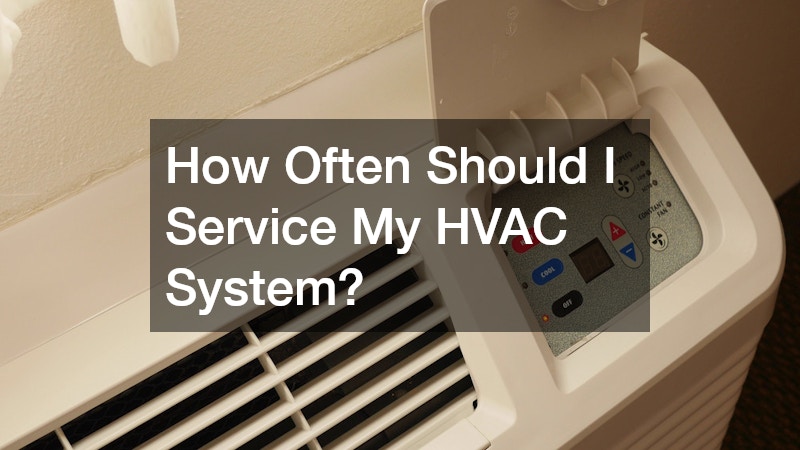
Regular maintenance is one of the most important aspects of responsible system ownership. Most professionals recommend scheduling service at least once a year, although many homeowners benefit from twice-yearly inspections. Spring is an ideal time to prepare for cooling demands, while fall service ensures your heating equipment is ready for colder temperatures. This HVAC advice helps reduce strain on the system and improves reliability during extreme weather.
Routine visits allow technicians to identify worn parts, clean internal components, and make necessary adjustments. These appointments often include system calibration, refrigerant checks, and airflow assessments. Preventive care also reduces the likelihood of sudden ac repair needs during high-demand periods. Over time, consistent maintenance supports energy efficiency and extends the lifespan of the equipment, making annual service a cost-effective habit rather than an expense.
Signs That Your System Needs Immediate Attention
Even with regular service, systems can show warning signs that require prompt action. Unusual noises, inconsistent temperatures, or sudden spikes in energy bills often indicate underlying problems. Weak airflow or rooms that never seem to reach the desired temperature can suggest duct issues or mechanical wear.
Ignoring these symptoms can lead to more serious failures. This HVAC advice encourages homeowners to act quickly when changes in performance occur. Strange odors may signal electrical issues or dust buildup, while frequent cycling can point to sensor or thermostat problems. Addressing these concerns early may prevent emergency service calls and reduce long-term repair costs.
What Are The Common HVAC Problems?
Most Frequently Encountered Issues
Many HVAC problems stem from normal wear and tear, especially in systems that run frequently throughout the year. Dirty filters are among the most common issues, restricting airflow and forcing the system to work harder. Over time, this can impact indoor comfort and increase energy usage.
Other frequent problems include refrigerant leaks, malfunctioning thermostats, and clogged condensate drains. Poor air circulation may also result from neglected air duct cleaning, which allows dust and debris to accumulate inside ductwork. For businesses, these issues can be more complex, often requiring a qualified commercial hvac contractor to diagnose and resolve system-wide inefficiencies.
Troubleshooting Basic Issues
Before calling a professional, homeowners can perform a few simple checks. Confirming thermostat settings, replacing filters, and ensuring vents are open can resolve many minor issues. Power interruptions or tripped breakers may also be responsible for system shutdowns.
This HVAC advice emphasizes knowing your limits. While basic troubleshooting can be helpful, complex mechanical or electrical problems should be handled by trained technicians. Attempting advanced repairs without proper tools or experience can cause further damage and compromise safety.
How Can I Improve Indoor Air Quality?
Importance Of Air Quality
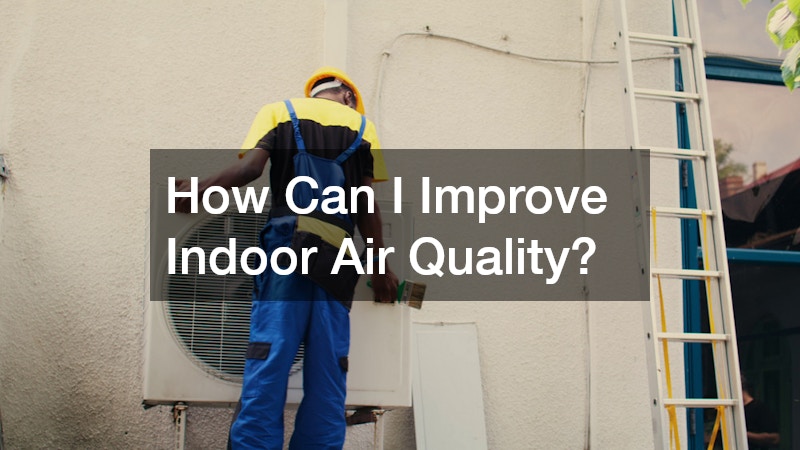
Indoor air quality has a direct impact on health, comfort, and overall well-being. Pollutants such as dust, pet dander, and allergens can accumulate indoors, especially in tightly sealed homes. Poor air quality may aggravate respiratory conditions and contribute to fatigue or discomfort.
Effective HVAC advice often highlights the role of proper ventilation and filtration in maintaining clean indoor air. Systems that circulate and filter air efficiently help remove contaminants and regulate humidity. Features like air filtration upgrades and balanced airflow contribute to a fresher, healthier living environment.
Effective Solutions For Better Air Quality
Improving air quality often involves a combination of professional services and homeowner habits. Scheduling air duct cleaning helps remove built-up debris that can circulate through your home. Advanced filtration systems can capture smaller particles, while humidity control prevents mold growth.
Additional solutions include regular filter changes and sealing gaps that allow outdoor pollutants to enter. In colder regions, emergency oil delivery services ensure heating systems remain operational without compromising air quality during supply interruptions. Small improvements, when combined with consistent HVAC advice, can significantly enhance the air you breathe indoors.
How Do I Choose The Right Size HVAC System?
Importance Of Proper Sizing
System size plays a critical role in comfort and efficiency. Units that are too large tend to cycle on and off frequently, leading to uneven temperatures and unnecessary wear. Undersized systems, on the other hand, struggle to meet demand and may run continuously without achieving desired comfort levels.
This HVAC advice stresses that proper sizing ensures balanced performance. A correctly sized system maintains consistent temperatures, manages humidity effectively, and operates more efficiently. Heat pumps, in particular, rely on accurate sizing to deliver both heating and cooling benefits without excessive energy use.
Factors To Consider When Sizing
Several factors influence system size, including square footage, ceiling height, insulation quality, and window placement. Features such as attic insulation and window treatments affect heat gain and loss, directly impacting system requirements.
Professional load calculations consider these variables to determine the most suitable capacity. Skipping this step can result in long-term comfort issues and higher operating costs. Following expert HVAC advice during the selection process helps homeowners choose equipment that aligns with their home’s unique characteristics.
What Maintenance Tasks Can I Do Myself?
Routine Maintenance Checklist
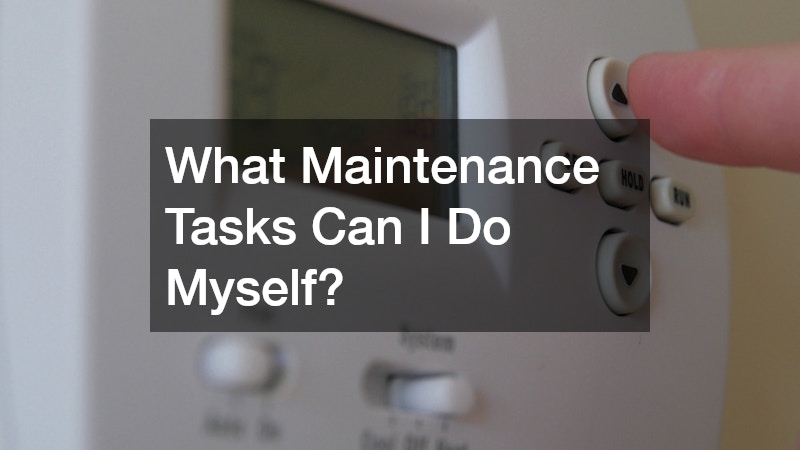
Homeowners can handle several basic tasks that support system performance between professional visits. Regularly replacing air filters is one of the simplest and most effective steps. Clean filters improve airflow, reduce strain on components, and support better indoor air quality. Checking vents to ensure they are unobstructed also helps maintain consistent temperatures throughout the home.
This HVAC advice also includes monitoring outdoor units for debris such as leaves or grass clippings. Keeping the area clear allows proper airflow and prevents overheating. Inside the home, listening for unusual noises and noting changes in performance can help you spot issues early. While these tasks do not replace professional HVAC services, they play an important role in maintaining efficiency and comfort.
Tools And Equipment Needed
Basic maintenance requires only a few simple tools. A screwdriver, flashlight, and replacement filters are usually sufficient for routine checks. Some homeowners also keep a small vacuum on hand to remove dust near vents or accessible components.
It’s important to remember that safety comes first. This HVAC advice encourages avoiding any tasks involving electrical wiring, refrigerant, or internal mechanical parts. Those responsibilities should be left to trained technicians who have the proper equipment and experience to perform repairs safely.
How Do I Optimize Energy Efficiency?
Understanding Energy Efficiency Ratings
Energy efficiency ratings help homeowners compare system performance and operating costs. SEER ratings measure cooling efficiency, while heating performance metrics apply to furnaces and heat pumps. Higher ratings generally indicate lower energy consumption over time.
Understanding these values is an essential part of smart HVAC advice. Efficient systems reduce monthly expenses and place less strain on the power grid. For businesses, efficiency is especially important, as energy costs can significantly impact operating budgets and may require support from a commercial hvac contractor to optimize performance.
Tips For Reducing Energy Consumption
Simple adjustments can make a noticeable difference in energy use. Using programmable thermostats, sealing air leaks, and scheduling regular maintenance all contribute to lower bills. Improving insulation and addressing duct leaks further enhances efficiency.
Services such as commercial heating repair ensure systems operate at peak performance during colder months. In residential settings, combining efficiency upgrades with routine care reduces the likelihood of emergency breakdowns and costly ac repair calls.
When Is It Time To Replace My HVAC System?
Signs That Replacement Is Necessary
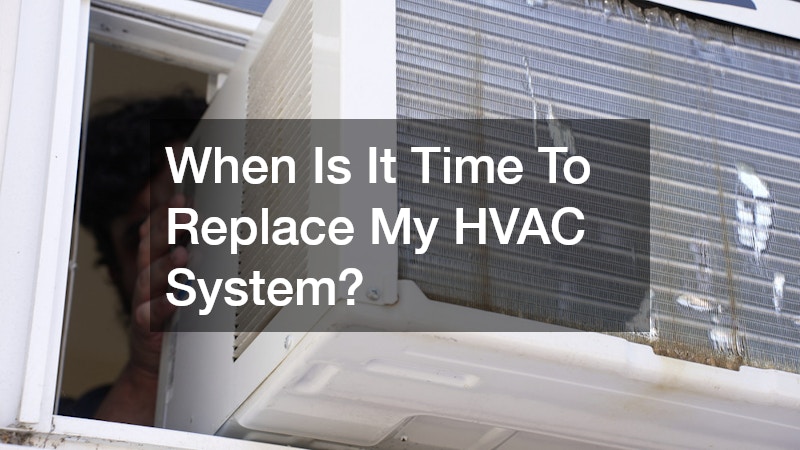
Most systems have a lifespan of 10 to 15 years, depending on usage and maintenance habits over time. As equipment ages, efficiency naturally declines, even if the system has been well cared for. Frequent repairs, rising energy bills, and inconsistent comfort often signal that replacement may be more cost-effective than continued fixes, especially when those issues begin to occur more regularly.
This HVAC advice highlights the importance of evaluating long-term costs rather than focusing only on short-term repairs. If a system requires repeated service calls or struggles to maintain comfort despite proper care, replacement becomes a practical option worth serious consideration. Aging components can also affect air filtration and overall system reliability, leading to reduced indoor air quality and uneven temperature control throughout the home.
Evaluating Replacement Options
Choosing a new system involves balancing efficiency, capacity, and budget to find the best long-term solution. Modern systems offer advanced features, quieter operation, and improved performance that can significantly enhance indoor comfort. Many homeowners also appreciate newer technology that allows for better temperature control and more consistent operation. Heat pumps are increasingly popular due to their versatility and energy savings, particularly in homes looking to reduce overall energy consumption.
Professional assessments ensure the new system matches your home’s specific needs and usage patterns. Considering insulation levels, duct condition, and layout helps maximize the benefits of replacement and supports lasting comfort. Taking the time to evaluate options carefully ensures your investment delivers reliable performance, improved efficiency, and peace of mind for years to come.
How To Choose An HVAC Contractor?
Credentials And Certifications To Look For
Selecting a qualified contractor is essential for quality results and long-term system reliability. Look for proper licensing, insurance, and industry certifications, as these credentials indicate that the contractor meets professional standards and follows safety regulations. Experience with both residential and commercial systems demonstrates a broad understanding of HVAC requirements and shows that the contractor can adapt to different system sizes, layouts, and performance demands.
Reliable HVAC advice also emphasizes checking references and reviews before making a decision. Past customer feedback can provide insight into workmanship, professionalism, and follow-through. Contractors who offer clear communication, transparent pricing, and detailed estimates are more likely to deliver dependable service, whether they are handling routine maintenance, system upgrades, or complex installations that require careful planning.
Questions To Ask During Interviews
Asking the right questions helps you feel confident in your choice and sets expectations from the start. Inquire about maintenance plans, warranties, and response times for urgent issues so you understand the level of support you can expect after the work is completed. It is also helpful to ask how the contractor approaches problem-solving and whether they provide recommendations tailored to your specific system and property.
Understanding how a contractor handles emergencies, including coordination with emergency oil delivery services when applicable, can be especially important during extreme weather when timely service matters most. Clear expectations and open communication build trust, reduce misunderstandings, and help ensure a positive working relationship that supports your HVAC needs over the long term.
Maintaining indoor comfort requires a thoughtful approach that combines regular care, informed decisions, and reliable professional support. By following consistent HVAC advice, homeowners can reduce stress, improve efficiency, and enjoy a more comfortable living environment throughout the year. Understanding when to schedule service, how to recognize problems, and which tasks can be handled at home empowers you to take control of system performance.
Comfort is about more than temperature alone. Clean air, balanced humidity, and efficient operation all contribute to a healthier home. Strategic upgrades, proper sizing, and attention to insulation and airflow support long-term results. When systems are maintained proactively, unexpected breakdowns become less common, and energy costs remain manageable.
The value of expert HVAC advice lies in prevention and planning. Partnering with qualified professionals, staying attentive to system changes, and investing in maintenance help protect your equipment and your comfort. With the right approach, your HVAC system can continue to support a comfortable, efficient, and dependable indoor environment for years to come.
