Your building’s heating and cooling system does far more than regulate temperature-it directly affects employee productivity, customer satisfaction, equipment performance, and your bottom line. When your system begins to decline, the warning signs often appear gradually, making them easy to overlook until they become major disruptions.
For many business owners and property managers, the challenge isn’t recognizing that something is wrong-it’s knowing when small issues point to a much larger need for an upgrade. Waiting too long can result in higher operating costs, emergency breakdowns, and uncomfortable indoor environments that impact daily operations.
This guide breaks down the most common signs your system may need an upgrade and provides practical, actionable steps you can take to stay ahead of costly problems.
Rising Energy Bills Without Increased Usage
If your utility bills are steadily increasing despite no major changes in how your building operates, it’s a strong indicator that your system is losing efficiency. Over time, even well-maintained systems begin to degrade as internal components wear down and performance declines. Motors, compressors, and fans have to work harder to produce the same results, which leads to higher energy consumption. This inefficiency often develops gradually, making it harder to detect without reviewing long-term trends. Business owners may initially assume rate increases or seasonal changes are to blame, but persistent cost spikes typically point to deeper system issues. In many cases, relying on routine HVAC services can temporarily mask the problem rather than solve it. Eventually, the system reaches a point where frequent HVAC repair becomes necessary just to maintain basic functionality.
- Compare your energy bills over the past 12-24 months
- Look for consistent upward trends rather than seasonal fluctuations
- Schedule a professional inspection to evaluate system performance
- Identify whether repairs are providing only short-term relief
If your system is consuming more energy than it should, upgrading can significantly reduce operating costs and improve efficiency. Modern systems are designed with energy-saving technology that delivers better performance while using less power. Taking action early can prevent ongoing waste and help you regain control over your utility expenses.
Inconsistent Temperatures Across Your Building
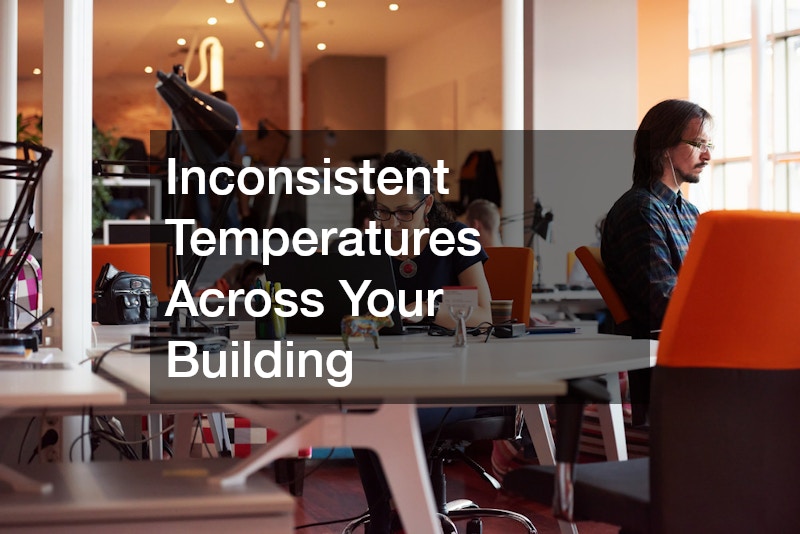
Uneven temperatures throughout your building are more than just an inconvenience-they are a clear sign that your system is no longer operating efficiently. When some areas feel overly warm while others remain uncomfortably cold, it typically indicates problems with airflow, system capacity, or overall design. This issue becomes especially noticeable in larger commercial spaces where consistent climate control is essential. Over time, ductwork may develop leaks, or your system may struggle to keep up with the demands of your space. In many cases, outdated equipment simply cannot distribute air evenly across all zones. Partnering with an experienced HVAC company can help identify whether the root cause lies in the equipment or the building layout. Businesses that invest in professional commercial HVAC services often find that these inconsistencies can be resolved with proper upgrades and system adjustments.
- Walk through your building and note temperature differences
- Check vents for weak airflow or blockages
- Inspect for areas that are consistently uncomfortable
- Consider whether your current system matches your building’s size
Addressing uneven temperatures improves comfort for both employees and customers. It also helps your system operate more efficiently by reducing the strain caused by trying to compensate for problem areas. Upgrading to a modern system with zoning capabilities can provide better control and ensure consistent performance throughout your space.
Frequent Breakdowns Disrupting Business Operations
A system that frequently breaks down can quickly become a major liability for your business. Each time your system fails, it disrupts operations, creates discomfort, and may even force you to temporarily close or limit services. While occasional issues are normal, repeated failures signal that your system is nearing the end of its lifespan. Components wear out over time, and once one part begins to fail, others often follow. This creates a cycle where you are constantly scheduling HVAC repair visits just to keep things running. Many businesses also find themselves dealing with recurring AC repairs that never fully resolve the underlying issue. These disruptions can be especially costly during peak seasons when your system is under the most stress. Ignoring these warning signs can lead to a complete system failure at the worst possible time.
- Track how often your system requires service
- Identify patterns in recurring breakdowns
- Compare repair costs to replacement estimates
- Monitor how downtime affects your business
If breakdowns are becoming more frequent, it may be more cost-effective to upgrade rather than continue repairing an aging system. A new system offers greater reliability and reduces the risk of unexpected interruptions. Investing in an upgrade can help you maintain consistent operations and avoid costly emergencies.
Your System Is More Than 10-15 Years Old
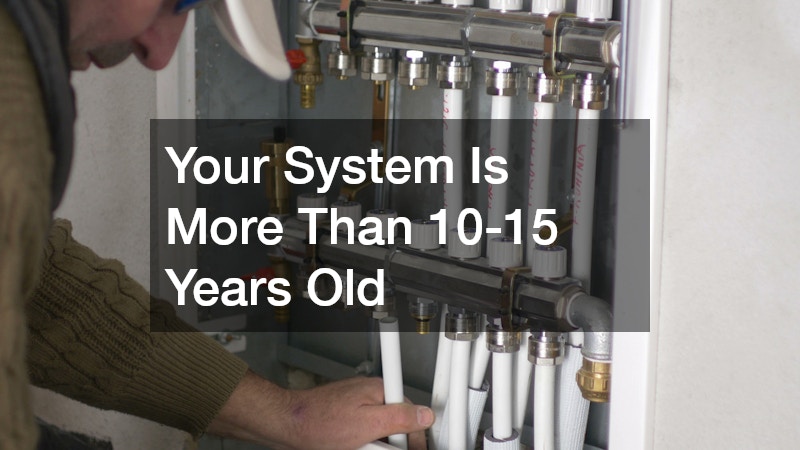
Age plays a significant role in the performance and reliability of your system. Most commercial systems are designed to last between 10 and 15 years, depending on how well they have been maintained. As systems age, they become less efficient and more prone to failure. Even if your system is still functioning, it may not be operating at the level your business needs. Older systems often lack the advanced features found in modern equipment, which can result in higher energy usage and reduced comfort. Scheduling a professional HVAC installation evaluation can help determine whether your current system is still viable. In many cases, businesses find that investing in ac replacement provides better long-term value than continuing to maintain outdated equipment.
- Check the age of your current system
- Review maintenance records for recurring issues
- Assess whether performance has declined over time
- Plan upgrades before a complete failure occurs
Upgrading an older system allows you to take advantage of modern technology and improved efficiency. It also reduces the likelihood of unexpected breakdowns and costly repairs. Planning ahead ensures a smoother transition and minimizes disruptions to your business.
Poor Indoor Air Quality Affecting Employees and Customers
Indoor air quality is a critical factor that directly impacts health, comfort, and productivity. When your system is not functioning properly, it may struggle to filter and circulate air effectively. This can lead to a buildup of dust, allergens, and other airborne contaminants. Over time, poor air quality can create an uncomfortable environment for both employees and customers. People may experience increased allergy symptoms, fatigue, or respiratory issues, which can affect overall performance. Working with a trusted HVAC company can help identify whether your system is contributing to these problems. Many businesses rely on professional HVAC services to improve ventilation and air filtration, creating a healthier indoor environment.
- Look for signs such as dust buildup or persistent odors
- Monitor humidity levels throughout your building
- Replace air filters regularly
- Schedule inspections to evaluate air quality performance
Improving indoor air quality enhances the overall experience for everyone in your building. It also helps protect equipment and maintain a cleaner environment. Upgrading your system can provide better filtration and airflow, leading to noticeable improvements in comfort and health.
Increasing Maintenance Costs Year Over Year
While routine maintenance is necessary, rising costs can indicate that your system is becoming less reliable. As components wear out, repairs become more frequent and more expensive. What starts as minor maintenance can quickly escalate into a significant financial burden. Businesses often find themselves spending more each year just to keep their system operational. Consulting with a commercial HVAC contractor can provide insight into whether your system is worth maintaining or if an upgrade would be more cost-effective. When HVAC repair expenses continue to climb, it’s usually a sign that your system is nearing the end of its useful life.
- Review maintenance expenses over the past few years
- Identify patterns of increasing repair costs
- Evaluate the frequency of service calls
- Compare ongoing costs to replacement options
At a certain point, continuing to invest in an aging system no longer makes financial sense. Upgrading can reduce long-term expenses and provide more reliable performance. Making this decision proactively can help you avoid unexpected costs and disruptions.
Your Business Has Expanded or Changed Layout
As your business grows or evolves, your system must adapt to meet new demands. Expanding your space, adding new equipment, or increasing occupancy can all place additional strain on your existing system. If your system was originally designed for a smaller or differently configured space, it may no longer provide adequate coverage. This can lead to uneven temperatures, increased energy usage, and reduced overall efficiency. Businesses that undergo changes often benefit from reassessing their needs through professional commercial HVAC services. A properly planned HVAC installation ensures that your system is capable of handling your current and future requirements.
- Evaluate whether your system matches your current space
- Conduct a load calculation for updated areas
- Check airflow in newly added or modified spaces
- Consider upgrading to a system designed for scalability
Adapting your system to match your business growth ensures consistent comfort and efficiency. It also helps prevent unnecessary strain on your equipment. Upgrading allows you to support your operations without compromising performance.

Outdated Technology and Lack of Smart Controls
Technology has significantly improved how modern systems operate. Older systems often lack the advanced features that make today’s solutions more efficient and easier to manage. Without smart controls, it can be difficult to optimize performance or monitor energy usage effectively. Businesses that upgrade often benefit from improved automation, better diagnostics, and greater control over their indoor environment. Partnering with a knowledgeable HVAC company can help you explore options that align with your needs. Incorporating modern features during an AC installation service can transform how your system operates and improve overall efficiency.
- Evaluate your current system’s control capabilities
- Consider upgrading to smart thermostats
- Look for systems with energy monitoring features
- Explore automation options for better efficiency
Upgrading to modern technology allows you to take full control of your system. It simplifies management and helps reduce energy costs. Investing in these features can lead to long-term savings and improved performance.
Loud Noises or Unusual System Behavior
Unusual noises are often one of the first signs that something is wrong with your system. While it’s easy to ignore minor sounds, they can indicate underlying issues that may worsen over time. Components that are loose, worn, or damaged can create noises such as banging, rattling, or squealing. These sounds often signal that your system is under stress and may be at risk of failure. Businesses that delay AC repairs often find that small issues quickly escalate into larger problems. Repeated HVAC repair visits for the same issue are another sign that your system may need to be replaced rather than repaired.
- Pay attention to new or recurring noises
- Schedule inspections at the first sign of trouble
- Avoid delaying necessary repairs
- Track recurring issues that don’t fully resolve
Addressing unusual behavior early can prevent costly damage and extend the life of your system. However, persistent issues often indicate that an upgrade is the best solution. Taking action early helps you avoid unexpected breakdowns.
Water Leaks or Issues With Heating Systems
Water leaks and heating issues are serious warning signs that should never be ignored. These problems can indicate internal damage, corrosion, or system failure. If left unaddressed, they can lead to structural damage, mold growth, and costly repairs. Businesses that experience frequent leaks or heating inconsistencies often need more than simple water heater repairs. Consulting with a commercial HVAC contractor can help determine whether the issue is isolated or part of a larger system problem. Addressing these concerns early can prevent more extensive damage and ensure reliable performance.
- Inspect equipment regularly for signs of moisture
- Address leaks as soon as they are detected
- Monitor heating performance during colder months
- Schedule professional evaluations for recurring issues
Taking proactive steps to address water and heating problems protects your building and your investment. It also ensures that your system operates safely and efficiently. Ignoring these issues can lead to costly consequences that could have been avoided.
Taking a Proactive Approach to System Upgrades
Recognizing the signs of a struggling system allows you to take control before problems escalate into costly emergencies. Each warning sign-from rising energy bills to frequent breakdowns-provides valuable insight into your system’s condition. By addressing these issues early, you can avoid unexpected downtime and maintain a comfortable environment for employees and customers.
Upgrading your system is not just about replacing equipment-it’s about improving efficiency, reliability, and long-term performance. A proactive approach ensures that your business remains prepared for future demands while minimizing operational disruptions. Investing in a modern system ultimately supports your success and helps create a better environment for everyone who enters your space.
