
Build a More Comfortable Home in Every Season
Improving your home’s energy efficiency is one of the smartest ways to reduce utility costs, increase comfort, and protect the systems you rely on every day. Many homeowners think energy savings require major renovations, but meaningful improvements often come from a combination of practical upgrades, regular maintenance, and better everyday habits.
A more efficient home does not just use less energy. It also feels more consistent from room to room, holds comfortable temperatures longer, and puts less strain on major equipment. That means fewer unexpected breakdowns, better indoor comfort, and potentially longer-lasting home systems.
The key is to think about efficiency year-round. Your home faces different challenges in winter, summer, and the seasons in between. Cold air, heat gain, drafts, aging equipment, poor airflow, and outdated wiring can all affect how much energy your home uses. By taking a whole-home approach, you can make smart improvements that support comfort in every season.
Start With a Full Home Performance Review
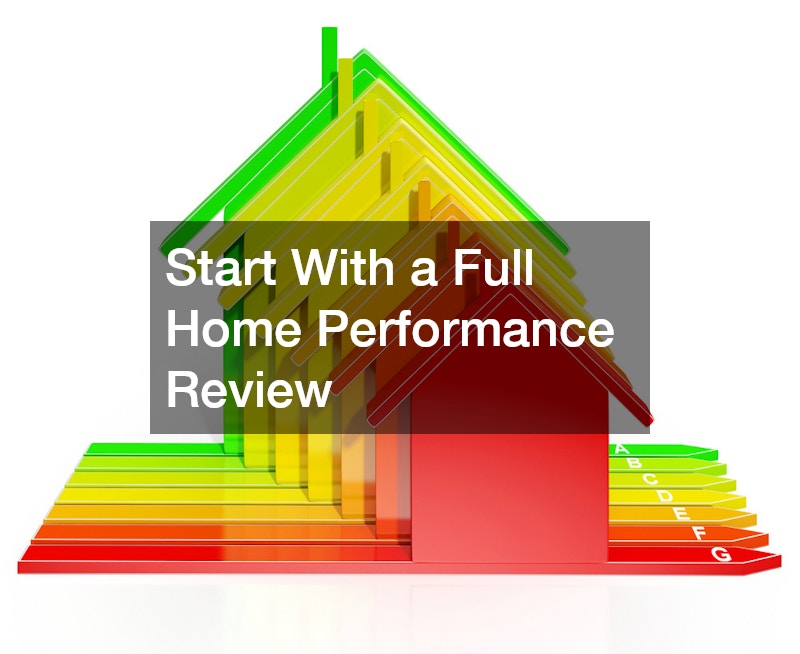
Before making upgrades, take time to understand where your home is wasting energy. A home performance review helps you identify weak points such as drafty windows, poor insulation, leaky ductwork, outdated equipment, or uneven temperatures between rooms. Without this step, it is easy to spend money on improvements that do not solve the real problem.
Start with a simple walk-through. Notice which rooms feel too hot or too cold, where drafts appear, and whether your utility bills have increased without a clear reason. Check around doors, windows, attic access points, vents, and exterior walls. These areas often reveal signs of air leakage or poor insulation.
It is also helpful to review how your equipment is performing. If your system runs constantly, makes unusual noises, or struggles to keep your home comfortable, it may be using more energy than necessary. A professional evaluation from an HVAC company can help you understand whether your equipment is properly sized, well-maintained, and operating efficiently.
Modern HVAC systems are designed to provide better comfort while using less energy, especially when paired with proper insulation, sealed ductwork, and smart controls. A full assessment gives you a clear starting point, helping you prioritize the improvements that will deliver the biggest impact.
Seal Drafts and Strengthen Your Home’s Envelope
One of the most effective ways to improve energy efficiency is to reduce unwanted air movement. When air leaks through gaps around windows, doors, attics, basements, or crawl spaces, your home loses conditioned air and allows outdoor temperatures to creep inside. This forces your equipment to work harder than it should.
Begin by checking common leak points. Look for gaps around window frames, door thresholds, plumbing penetrations, electrical outlets, and attic hatches. Weatherstripping, caulk, foam sealant, and door sweeps can make a noticeable difference, especially in older homes.
Insulation is just as important. A well-insulated attic, wall system, and crawl space help your home hold heat in the winter and block heat in the summer. This reduces the need for frequent Heating services because your system does not have to compensate for constant heat loss. It also helps reduce strain on air conditioning equipment during hot weather.
Do not overlook ductwork. Leaky ducts can waste a significant amount of conditioned air before it ever reaches your living spaces. Sealing and insulating ducts, especially in attics or crawl spaces, can improve comfort and efficiency. When your home’s envelope is strong, every other energy-saving upgrade becomes more effective.
Improve Cold-Weather Performance Before Temperatures Drop
Winter efficiency depends on how well your home holds warmth and how effectively your equipment produces it. If your home feels chilly even when the thermostat is set comfortably, the issue may be more than just outdoor temperature. Poor insulation, old equipment, clogged filters, and neglected maintenance can all contribute to higher energy use.
Schedule maintenance before the coldest part of the year. A technician can inspect burners, heat exchangers, safety controls, filters, vents, and other components to make sure the system is working properly. Small issues can often be corrected before they become expensive repairs or emergency breakdowns.
If your home uses a boiler, regular boiler service is especially important. Sediment buildup, pressure problems, worn components, or inefficient operation can increase energy use and reduce comfort. Routine care helps the system heat more evenly and operate safely.
Heating services can also help homeowners decide whether repairs, adjustments, or upgrades are the best path forward. In some cases, improving airflow, replacing a thermostat, or cleaning components may be enough. In others, an aging system may be costing more to operate than it should. Preparing early gives you time to make smart decisions before cold weather puts your system under pressure.
Keep Your Home Cooler Without Overworking Equipment
Summer efficiency is about controlling heat gain and helping your cooling equipment work as smoothly as possible. When your home absorbs too much heat, your system has to run longer to reach the temperature you want. That can increase energy bills and shorten equipment lifespan.
Start with simple steps. Close blinds or curtains during the hottest part of the day, especially on windows that receive direct sunlight. Use ceiling fans to improve comfort, but remember to turn them off when you leave the room because fans cool people, not spaces. Avoid using ovens, dryers, and other heat-producing appliances during peak afternoon hours when possible.
Routine AC service is another important part of summer efficiency. During a maintenance visit, a technician can clean coils, check refrigerant levels, inspect electrical components, replace filters, and confirm that the system is cooling properly. A clean, well-maintained system uses less energy than one struggling with dirt, airflow problems, or worn parts.
Residential cooling services can also help identify issues that affect comfort, such as poor duct design, blocked vents, or inadequate insulation. The goal is not just to make your home colder. It is to cool your home efficiently, evenly, and reliably while reducing unnecessary energy waste.
Know When Repairs Are No Longer Enough
At some point, older equipment may become too inefficient to justify continued repairs. While maintenance can extend system life, it cannot always overcome age, wear, or outdated technology. Knowing when to replace aging equipment can save money over time and improve comfort throughout your home.
Watch for warning signs. If your system needs frequent repairs, struggles to maintain temperature, runs constantly, or causes rising energy bills, it may be operating inefficiently. Uneven cooling, weak airflow, excessive noise, and short cycling can also indicate deeper problems.
An AC replacement may be worth considering if your current system is old, unreliable, or expensive to operate. Newer models often offer better energy efficiency, improved humidity control, and more consistent performance. While replacement is a larger upfront investment, it can reduce monthly energy costs and lower the risk of repeated breakdowns.
Your air conditioning system should be properly sized for your home. A unit that is too small may run constantly, while one that is too large may cycle on and off too quickly without removing humidity effectively. A professional load calculation helps ensure the new equipment matches your home’s needs, which is essential for long-term efficiency and comfort.
Use Smart Controls to Reduce Waste

Smart controls can make a major difference in how efficiently your home uses energy. Many homeowners waste energy simply because their systems run when no one is home or maintain the same temperature all day and night. A programmable or smart thermostat helps solve that problem by adjusting settings around your schedule.
Set temperatures based on your routine. During winter, lowering the temperature when you are asleep or away can reduce energy use. During summer, raising the temperature slightly when the house is empty can help cut cooling costs. Even small adjustments can add up over time.
Smart thermostats can also learn your habits, provide energy reports, and allow remote control from a phone. Some models can detect when you are away and adjust automatically. These features help reduce waste without requiring constant manual changes.
To get the most value, make sure your thermostat works well with your HVAC setup. Not every system is compatible with every smart control, especially in homes with zoning, heat pumps, or older wiring. An HVAC company can recommend compatible options and ensure the thermostat is installed correctly. When smart controls are paired with efficient equipment and good home insulation, they can support meaningful year-round savings.
Keep Wiring and Power Use Safe and Efficient
Energy efficiency is not only about temperature control. Your electrical system also plays an important role in how safely and efficiently your home operates. Outdated wiring, overloaded circuits, faulty outlets, or aging panels can create performance issues and safety risks.
Pay attention to warning signs such as flickering lights, warm outlets, frequently tripped breakers, buzzing sounds, or burning smells. These issues should not be ignored. Even if they seem minor, they may indicate deeper problems that affect safety and energy use.
Timely electrical repair can help correct issues before they become more serious. Repairs may involve replacing faulty outlets, fixing damaged wiring, updating circuits, or addressing breaker problems. A well-maintained electrical system supports modern appliances, lighting, and comfort equipment more reliably.
Hiring a licensed electrician is especially important when adding new appliances, upgrading panels, installing smart home devices, or making major home improvements. Professional work ensures the system is safe, code-compliant, and capable of handling your household’s energy demands. Efficient homes depend on more than just good insulation and temperature control. They also need safe, reliable power distribution.
Improve Airflow Throughout the House
Good airflow helps your home feel more comfortable while reducing the strain on your equipment. If air cannot move properly through your home, some rooms may feel too hot, others too cold, and your system may run longer than necessary.
Start by checking vents and registers. Make sure they are open, clean, and not blocked by furniture, rugs, or curtains. Replace air filters regularly, because clogged filters restrict airflow and force your system to work harder. The right filter should protect indoor air quality without overly restricting air movement.
Ductwork is another major factor. Leaks, gaps, poor insulation, or poorly designed duct runs can reduce efficiency and comfort. If conditioned air escapes into attics, crawl spaces, or wall cavities, your system wastes energy before air reaches the rooms where you need it.
Residential cooling services can help evaluate airflow problems, especially if certain rooms are consistently uncomfortable. Routine AC service can also support better airflow by keeping coils, fans, filters, and other components clean and working properly. When air moves efficiently, your home feels more balanced, your system operates more smoothly, and energy waste is reduced.
Build Better Daily Habits for Lower Bills

Year-round efficiency also depends on everyday habits. Even the best equipment and upgrades will not perform as well if energy is wasted through careless routines. Small changes, repeated consistently, can make a noticeable difference over time.
Adjust your thermostat seasonally instead of keeping it at the same setting all year. Wear warmer clothing indoors during colder months and use fans or lighter bedding during warmer months. Turn off lights, electronics, and appliances when they are not in use. Use natural light during the day and close window coverings when outdoor temperatures work against your comfort.
Be mindful of laundry, cooking, and appliance use. Washing clothes in cold water, running full dishwasher loads, and using energy-efficient appliances can reduce overall consumption. During summer, cooking outdoors or using smaller appliances can prevent extra heat from building up inside.
Good habits can also reduce reliance on frequent Heating services by helping your system avoid unnecessary strain. Likewise, careful thermostat use and better daily routines can lower demand on your HVAC equipment throughout the year. Efficiency is not one single upgrade. It is a combination of smart systems, proper maintenance, and consistent household choices.
Make Efficiency a Year-Round Priority
Improving home energy efficiency is not a one-time task. It is an ongoing approach to how your home is maintained, upgraded, and used throughout the year. By looking at the full picture, you can make better decisions that reduce waste, improve comfort, and help control monthly utility costs.
Start with the basics: seal air leaks, improve insulation, schedule maintenance, and pay attention to warning signs. Then look at larger opportunities, such as replacing aging equipment, updating controls, improving airflow, or addressing electrical concerns. Each improvement works best when it supports the others.
A more efficient home is also a more comfortable and reliable home. Rooms feel more consistent, systems operate with less strain, and you are less likely to deal with surprise problems during extreme weather. With thoughtful planning, good habits, and the right professional support, you can create a home that performs better in every season while using energy more wisely.
