The optimal functioning of HVAC (Heating, Ventilation, and Air Conditioning) systems is essential to maintaining a comfortable and healthy indoor environment. These systems not only regulate temperature but also play a crucial role in controlling humidity and air quality. Understanding when and why you need to contact an HVAC specialist can help prevent costly repairs, extend the system’s lifespan, and ensure a safe living space.
1. What are the Signs My HVAC System Needs Repair?
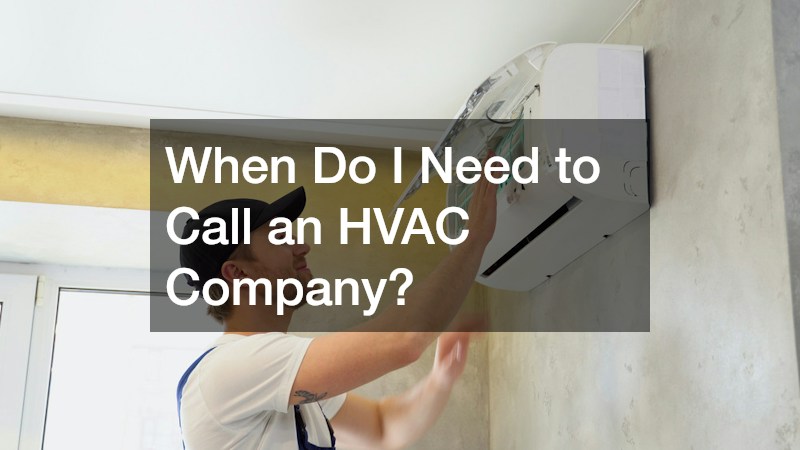
Recognizing the early signs that an HVAC system requires repair can save homeowners from extensive damage and significant inconvenience. Unusual noises, such as banging or screeching, often indicate parts needing attention.
Additionally, inconsistent temperatures throughout the house can signal issues with the system’s thermostat or ductwork, requiring immediate examination by a professional.
An increase in energy bills without any substantial increase in usage points to problems within the HVAC system, such as dirty filters or malfunctioning parts. Leaking water around the unit or poor airflow are further indicators that the HVAC system may not be operating efficiently and could lead to more severe issues if not addressed quickly. Odd odors coming from vents, either musty or burning smells, could also indicate mold growth or electrical problems and necessitate urgent attention.
Failure to address these symptoms promptly can lead to more severe damage, increased repair costs, and compromise the system’s performance. It’s crucial for homeowners to remain vigilant about these warning signs and understand that timely intervention by HVAC professionals can mitigate potential damages. By doing so, one can maintain their comfort while ensuring the system’s longevity and reliability.
2. How Often Should I Have My HVAC System Serviced?
Routine maintenance is critical in ensuring an HVAC system operates efficiently and lasts for its expected lifespan. HVAC experts recommend servicing your system at least twice a year, ideally in the spring for cooling systems and fall for heating units. This allows technicians the opportunity to conduct necessary inspections and adjustments before each unit is heavily relied upon during summer and winter seasons.
Regular servicing not only helps in detecting potential issues early but also optimizes system performance, reducing energy consumption. During these appointments, professionals clear and replace air filters, check the thermostat settings, and clean mechanical components, thus ensuring the system runs smoothly. Preventive maintenance can save homeowners significant amounts by avoiding costly repairs and extending the overall lifespan of the systems.
Additionally, regularly scheduled service visits serve to maintain air quality and comfort levels within the home. Dust and allergens are substantially decreased with a well-maintained system, providing a healthier living environment. Trusting professionals with the regular upkeep of your HVAC ensures that all components are professionally examined, cleaned, and adjusted to deliver optimal performance.
3. What Does an HVAC Maintenance Plan Include?
An HVAC maintenance plan offers comprehensive and scheduled servicing intended to prevent unexpected system failures and costly repairs. Typically, a maintenance plan includes seasonal check-ups and inspections where all system components are evaluated to ensure functionality. These plans may include services such as thermostat calibration, clearing condensation drains, and cleaning evaporative and condenser coils.
The maintenance plan is designed not just to prevent problems but also to enhance the overall system performance and efficiency. Clean and free-running systems lead to energy savings, translating into lower utility bills. Additionally, regular maintenance checks can pinpoint components at risk of failure before they become more significant and costly issues.
By engaging in a maintenance plan, homeowners can expect priority service and discounts on repairs or parts, representing significant cost savings over time. Maintenance plans also simplify scheduling, as service providers often remind customers of upcoming visits, ensuring no maintenance is overlooked. These plans provide peace of mind, knowing your HVAC system is in professional hands, operating at its best.
4. How Can I Improve the Efficiency of My HVAC System?
Improving the efficiency of an HVAC system can significantly affect energy costs and comfort levels in your home. One fundamental way to boost efficiency is by regularly changing air filters; dirty filters force the system to work harder, consuming more energy. Another approach is to use a programmable thermostat, which can automatically adjust temperatures based on your schedule, decreasing energy usage when you’re away.
Sealing and insulating ducts can prevent air loss, ensuring more consistent temperatures throughout your home. Keeping vents clean and unobstructed also aids in reducing energy costs by promoting optimal airflow. It’s important to recognize that landscaping, like planting shade trees near windows, can reduce heat gain in summer, lessening the load on your cooling system.
Additionally, ensuring that your home is adequately insulated can prevent the loss of cool or warm air, enhancing HVAC efficiency. Small steps taken at home can substantially impact the system’s overall energy consumption and performance. By implementing these simple measures, homeowners can enjoy both immediate cost savings and increased comfort without compromising on energy efficiency.
5. Why Should I Hire a Professional HVAC Company?
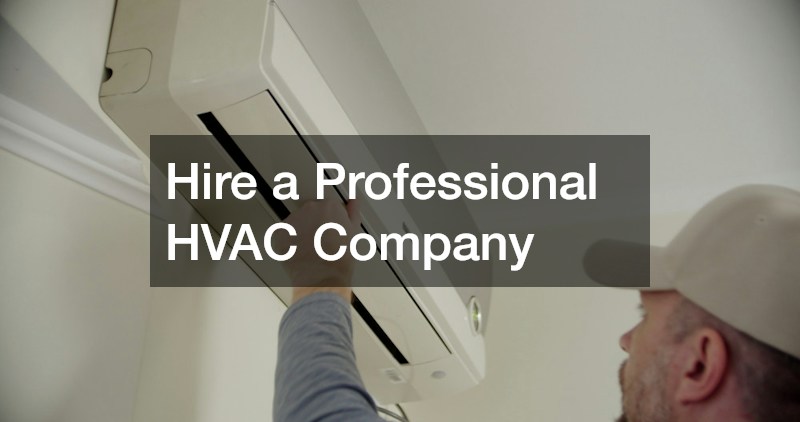
Hiring a professional HVAC company guarantees that your system receives the best possible care, thereby extending its longevity and efficiency. Professionals possess the necessary training, certification, and experience to identify and resolve issues that may be invisible to the untrained eye. Understanding the intricacies of HVAC systems means professionals can perform repairs and maintenance safely and efficiently.
Moreover, professional companies are equipped with the latest tools and technology, which may not be available to the general public. This ensures that any work done on your system is executed with precision and reliability. By entrusting your HVAC system to certified experts, you safeguard your home against potential hazards such as electrical fires or gas leaks, providing peace of mind.
HVAC companies also provide warranties on their work, offering added assurance and protection. This ensures that if any issues arise post-repair, they will be addressed promptly without additional cost. When it comes to maintaining a comfortable and safe home environment, hiring professionals is a viable investment in protecting both your property and your peace of mind.
In conclusion, the importance of regular HVAC maintenance and timely repairs cannot be overstated. By recognizing signs of trouble early and understanding the benefits of professional services, homeowners can avoid costly repairs and ensure optimal system performance. Consult with a reputable HVAC company to ensure efficient and reliable operation of your heating and cooling systems, leading to a more comfortable and cost-effective environment in your home.