

Property ownership often brings a strong desire for long-term transformation. When an entire residential estate requires a complete overhaul, the sheer volume of separate tasks can quickly become overwhelming. Homeowners frequently struggle to decide which specific project should take immediate precedence. Should the kitchen counters be replaced before the plumbing is updated? Is it wiser to repair the exterior walkways before addressing deep structural issues? These are the exact types of critical logistical questions that determine whether a major renovation succeeds or drains a financial budget. Without a clear chronological roadmap, a project can suffer from costly mistakes, overlapping contractor schedules, and frustrating backward progress where beautiful new finishes must be torn open to fix hidden structural issues.
The secret to a smooth execution lies in understanding the natural flow of modern construction. Experienced project managers view a residential property as an interconnected ecosystem where every individual system depends on the stability of another. By breaking down a full renovation into structured, logical phases, property owners can safeguard their financial investments and minimize the stress associated with large-scale projects. This comprehensive guide outlines the ideal timeline for complete property transformations, mapping out the step-by-step progression from the underground utilities to the final aesthetic touches in the garden. This systematic approach ensures that every single phase builds upon a stable, protected, and fully prepared foundation. Managing extensive property remodeling requires patience, but following a strategic sequence transforms chaos into a predictable and rewarding journey that adds immense value to the estate.
Establishing the Structural Base from the Ground Up
No lasting improvement can survive on a shaky or compromised foundation. For this reason, the absolute first phase of any comprehensive residential renovation must focus on structural integrity and water mitigation. It is a common mistake to invest heavily in gorgeous interior paints or expensive hardwood floors while ignoring a damp, unstable basement. Moisture infiltration can quietly destroy framing, foster mold growth, and compromise the structural stability of the entire house over time. Before cosmetic decisions are even discussed, the lower levels of the building must be thoroughly inspected for cracks, shifting, or hydrostatic pressure issues.
Addressing these underground vulnerabilities immediately saves time and resources later in the sequence. Professionals typically excavate around the exterior perimeter or apply specialized interior drainage systems to manage water flow away from the living quarters. Implementing a thorough system of foundation waterproofing prevents moisture from seeping through porous concrete blocks or foundation cracks. This step provides a completely dry, stable canvas for any subsequent basement finishing or main floor modifications. When the lowest level of the house is entirely sealed against environmental moisture, property owners gain the peace of mind necessary to invest confidently in the upper levels of the home, knowing the structure is secure from subterranean threats.
Sealing the Home from Overhead Elements
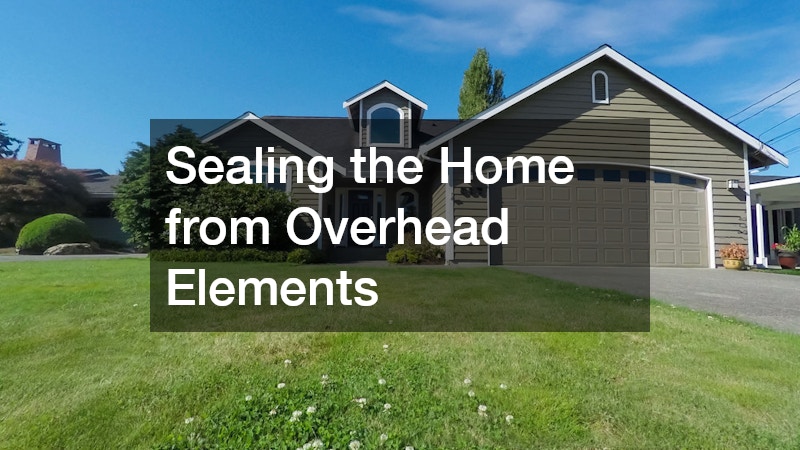
Once the subterranean elements are secure, attention must immediately shift to the highest point of the structure. A building cannot be safely renovated from the inside out if it remains vulnerable to rain, snow, and wind from above. A leaky roof will quickly ruin brand-new insulation, stain freshly hung drywall, and short out modern electrical systems. Therefore, securing the upper envelope of the house is the logical next step in the sequencing hierarchy. This phase involves a comprehensive assessment of shingles, flashing, underlayment, and the overall health of the roof deck.
Hiring a skilled roofer at this juncture ensures that the property is completely sealed against the elements before any internal work begins. If the existing roof structure requires a full tear-off and replacement, this heavy construction should happen early. Debris from a roof replacement can sometimes impact the surrounding yard, making it essential to finish this step before investing in expensive ground-level landscaping or delicate exterior additions. With a new, weather-tight barrier overhead, the interior of the home becomes a completely protected environment. This allows various interior contractors to work efficiently through inclement weather without the constant risk of environmental damage ruining their daily progress or stalling the overall timeline.
Managing the Internal Fluid Dynamics
With the exterior shell fully secured against water from both above and below, the project moves safely into the interior rough-in phase. This stage focuses on the systems that live hidden behind the walls, including electrical wiring, gas lines, and drain systems. It is crucial to complete these installations before closing up walls with drywall, as modifying these systems later requires destructive and expensive revisions. Property owners should focus heavily on the integrity of the water supply and waste removal pathways during this period.
Engaging a certified local plumbing company allows for an extensive review of old galvanized pipes, outdated sewer lines, and fixture placements. Technicians can replace aging components with modern, durable materials like PEX or copper, and relocate drains to fit new architectural layouts. This is also the perfect time to install advanced filtration systems, modern water heaters, and proper shut-off valves throughout the building. Ensuring these internal networks are completely flawless and fully pressure-tested prevents catastrophic leaks that could ruin future cosmetic upgrades, making this hidden mechanical phase one of the most critical steps in the entire sequencing timeline.
Climate Control and Infrastructure Upgrades
Immediately following or coinciding with the plumbing rough-ins, the climate control infrastructure must be integrated into the home. Modern living demands efficient air distribution, balanced humidity levels, and reliable heating and cooling capacities. Just like plumbing, ductwork and refrigerant lines require open access to the structural framing of the house. Trying to retroactively snake large metal ducts through finished ceilings is a logistical nightmare that frequently results in compromised headroom or awkward bulkheads.
Prioritizing professional HVAC services during the rough-in stage ensures that the heating and cooling systems are engineered perfectly for the updated layout. Technicians can calculate the exact heating and cooling loads required for the property, install energy-efficient furnaces or heat pumps, and run ventilation lines for kitchens and bathrooms. This phase also includes the installation of smart thermostats and zoning systems that allow for precise temperature control across different levels of the residence. Completing these major infrastructure upgrades while the walls are open guarantees optimal airflow and structural neatness throughout the home.
Choosing the Right Layout and Interior Vision
Once the mechanical systems pass their required structural inspections, the home is finally ready for structural modifications and wall closures. This is the stage where the creative vision for the interior layout truly begins to take physical shape. Walls may be moved or removed to create open-concept living spaces, new closets can be framed, and modern insulation is packed into the open wall cavities to maximize energy efficiency. Following insulation, drywall is hung, taped, and mudded to create smooth, clean surfaces ready for paint.
This phase requires the keen eye and organizational management of an experienced home remodeler who can coordinate the transition from rough construction to finished surfaces. This professional ensures that framing is square, doors are hung properly, and the architectural details align with the homeowner’s expectations. They manage the subtle details that separate an amateur project from a high-end finish, such as perfect trim carpentry and seamless transitions between rooms. Having a single expert oversee this pivotal turning point ensures that the interior design progresses smoothly without scheduling gaps.
Enhancing Living Comfort and Aesthetic Details

With the walls closed and painted, the project moves into the exciting phase of interior finishings and visual focal points. This stage includes the installation of custom flooring, cabinetry, lighting fixtures, and distinctive architectural features that give a property its unique character. Instead of jumping straight into furniture arrangement, homeowners should focus on the permanent structural details that elevate the comfort and value of the primary living spaces. High on this list are functional luxury upgrades that provide both warmth and visual appeal to family gathering areas.
A carefully planned gas fireplace remodel fits perfectly into this stage of the renovation process. Updating an old, inefficient wood hearth or installing a sleek, modern gas unit transforms the ambiance of a living room or primary suite. This project involves connecting the unit to the pre-established gas lines, building out custom mantels or stone surrounds, and ensuring proper ventilation to the exterior. Because this work requires precise finish carpentry and careful masonry, completing it alongside other interior details ensures a cohesive look that blends beautifully with the surrounding cabinetry and paint choices, elevating the overall feel of the room.
Developing the Hard Elements of the Yard
As the interior finishes near completion, the renovation focus can naturally expand outward to the surrounding property. A truly complete renovation does not stop at the back door; it treats the entire yard as an extension of the indoor living environment. The transition to the outdoors should always begin with major structural alterations, heavy earthmoving, and the installation of permanent masonry elements. Doing this work before planting ensures that heavy machinery does not destroy delicate vegetation or freshly laid sod.
Partnering with a professional hardscaping contractor allows property owners to re-engineer their outdoor terrain effectively. This phase involves grading the land for proper drainage, constructing sturdy stone retaining walls, and laying down elegant paver patios or walkways. These permanent stone installations create the structural boundaries of the outdoor living rooms, defining where people will gather, walk, and relax. Properly executed hardscaping adds immense curb appeal and structural value to the property, ensuring that the outdoor spaces are just as functional and durable as the newly renovated interiors.
Creating Sheltered Outdoor Environments

With the foundational stone and paver surfaces firmly established in the yard, the next logical step is to introduce overhead protection to these outdoor living areas. Homeowners want to maximize the usability of their new patios, regardless of intense summer sun or unexpected rain showers. Adding an overhead architectural feature bridges the gap between the open sky and the comfort of the indoors, turning a simple stone platform into a true multi-season entertainment hub.
Installing a custom patio cover provides the necessary shade and shelter to make outdoor furniture and kitchens practical. Whether opting for an attached solid roof structure that mirrors the home’s original architecture or a modern louvered system, this addition requires careful anchoring into the ground and the existing house frame. Completing this installation after the main hardscaping is down ensures perfect structural alignment and prevents construction traffic from disrupting subsequent landscaping projects. The sheltered area quickly becomes a favorite spot for relaxation, offering a comfortable vantage point from which to enjoy the rest of the property.
The Final Touch of Earth and Ground Cover
The final phase of a comprehensive property transformation takes place in the open garden beds and soft landscape zones. Once all heavy machinery has departed, all structural features are complete, and all overhead elements are securely installed, the final planting can begin. Trees, shrubs, perennials, and fresh sod are carefully arranged to soften the stone lines and add vibrant color to the property. To protect these new botanical investments and give the estate a polished, professional finish, the bare soil must be properly treated.
Sourcing materials from a high-quality bulk mulch supply is the ideal way to conclude the entire renovation journey. Applying a thick, even layer of premium wood mulch across all garden beds serves multiple critical purposes. It helps retain vital moisture in the soil, suppresses aggressive weed growth, and regulates root temperatures during extreme weather shifts. Visually, a fresh application of uniform mulch provides a clean, contrasting backdrop that makes the new plantings pop, tying the entire property together into a cohesive, beautifully manicured estate.
A Harmonious Approach to Property Transformation
Tackling a full-property renovation requires a delicate balance of patience, financial investment, and strict logistical sequencing. By honoring the natural progression of professional construction, starting deep below the earth and finishing with the final outdoor ground cover, homeowners can successfully avoid the expensive setbacks that plague unorganized projects. Each skilled trade plays a critical role in building upon the success of the previous phase. When structural integrity, mechanical efficiency, interior beauty, and exterior functionality are addressed in their proper order, the resulting transformation is seamless, durable, and profoundly rewarding. This strategic approach ensures that the home remains a safe, beautiful, and highly valuable asset for decades to come.
